

Choosing a Dynalite Installer for a Lighting Control Project
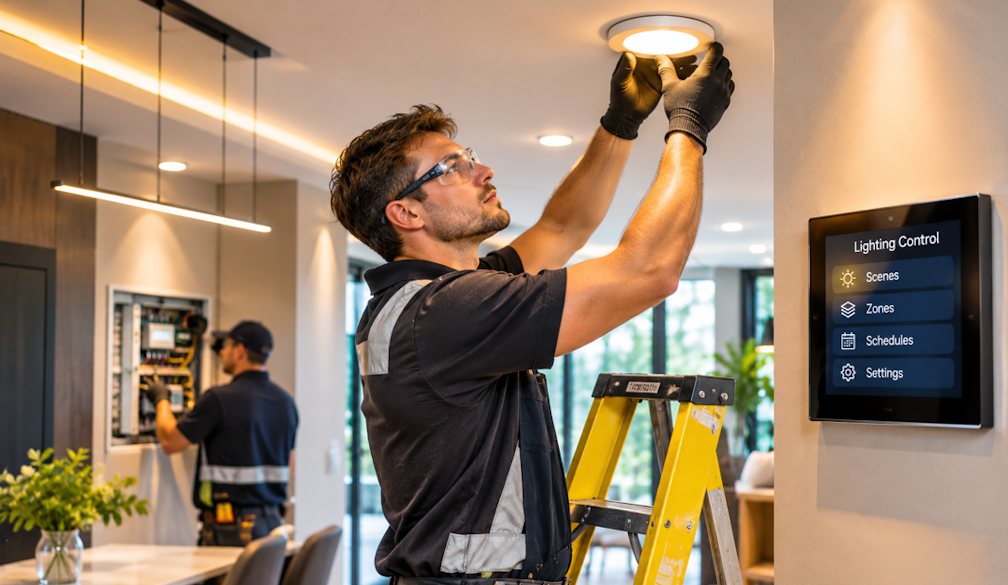
Planning a Dynalite Lighting Control Project
A lighting control project begins with a clear understanding of the space, the required lighting functions and the way occupants will use the controls. The design may involve different zones, scene settings, interfaces and coordination with other building systems. Dynalite Melbourne project planning should account for the property’s layout, equipment and specifications rather than applying a one-size-fits-all arrangement. Establishing the brief early helps clarify the requirements, identify relevant equipment and guide the discussions about installation and configuration. A coordinated approach can help the project team understand the scope before work begins.
Selecting an Installer and Clarifying Scope
The installer’s understanding of the design, equipment and control requirements is an important consideration when planning a lighting automation project. A Dynalite installer should be able to discuss the proposed configuration, the installation process and the coordination required with other trades. Homeowners or project managers can clarify what is included, how the controls will be arranged and what testing or handover is expected. A clear scope helps establish responsibilities and supports communication between the customer and the project team as the work progresses.
Controls, Zones and Lighting Scenes
Lighting control systems may be arranged to manage individual areas, groups of lights or coordinated scenes, depending on the design. The controls should reflect how each space is used and which settings are likely to be useful to occupants. The interface layout, zone names and scene options can be discussed during planning to help create a logical arrangement. It is also useful to consider how the controls will be used by different people in the property and whether the selected interface provides the required level of access.
Integration and Technical Coordination
Lighting controls can sometimes be coordinated with other systems within a property, depending on equipment compatibility and the project requirements. The planning stage should identify relevant interfaces, wiring requirements and responsibilities across trades. This may involve coordination with electrical work, building systems or other technology installations. Reviewing these requirements before installation can help clarify the sequence of work and the intended operation of the system. The final approach should follow the design and technical specifications established for the project.Dynalite Melbourne projects should consider integration and coordination needs during the design stage.A Dynalite installer can help review the proposed interfaces and the technical coordination required. Response Automation can discuss how the control design may be coordinated with the property's other technology requirements. The scope should clearly identify the equipment and interfaces involved, the sequence of work and any dependencies that could affect installation. Where several trades are involved, agreed responsibilities and communication can help keep the project organised. Consideration of the final layout, control locations and intended scene behaviour can also provide a useful reference for testing. These details are specific to the installation and should be confirmed against the technical requirements and the approved design.
Installation, Testing and User Handover
The installation process includes coordinating the control devices and equipment with the project requirements. Configuration and testing should be carried out against the intended functions and specifications. Once the system is ready, users should be introduced to the controls, zones and scenes, with information about the support arrangements and any relevant system documentation. A clear handover can help occupants understand the lighting controls and provide a reference for future adjustments or questions.A Dynalite Melbourne lighting project benefits from clear expectations for testing and handover.Working with a Dynalite installer can help clarify configuration, testing and user handover expectations. Response Automation can also explain the intended handover process and support arrangements, so users know what has been configured and whom to contact with questions.
Conclusion
A lighting control project should be planned around the property, the required functions and the people who will use the system. Scope, zones, scenes, interfaces, integration and handover are all important considerations. If you are seeking Dynalite Melbourne services or discussing your project with a Dynalite installer, Response Automation can help clarify the lighting control requirements and the proposed approach. Contact the team to discuss the design, controls and installation needs for your property. Response Automation can discuss the project requirements and the proposed lighting control approach.